Christmas Retro Vintage: Nostalgic Illustrations for Branding
As a brand designer and content marketer, I approach every seasonal campaign with a critical eye. The holiday market is saturated, and standing out requires more than just slapping a red bow on a generic layout. Recently, I had the opportunity to review Christmas Retro Vintage, a collection of illustrations that promises to inject mid-century charm into modern marketing workflows. My goal was simple: determine if this graphic design asset could serve as the backbone for a small business launching a limited-edition winter product line while maintaining professional branding standards.
The First Impression: Warmth Without Clutter
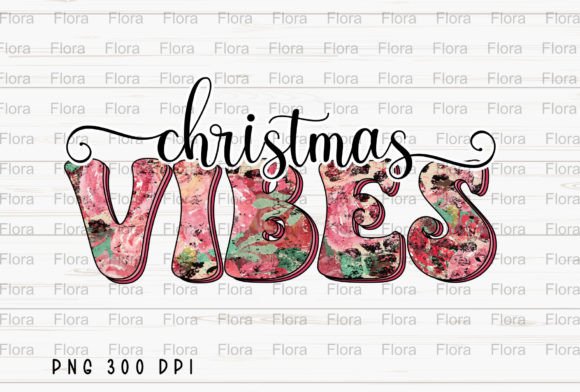
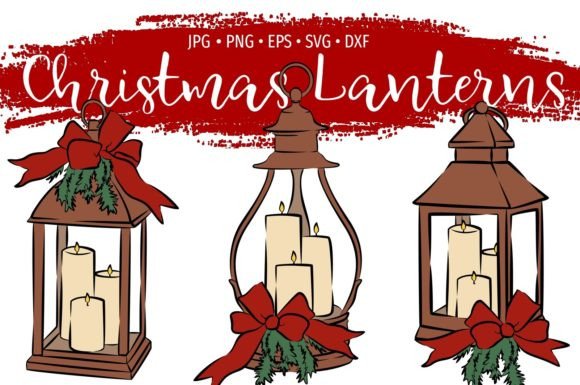
Upon opening the files, the immediate sensation was one of curated nostalgia. Unlike many holiday assets that rely on chaotic patterns or overly bright neon colors, Christmas Retro Vintage offers a muted, sophisticated palette reminiscent of 1950s greeting cards and vintage advertisements. The mood it creates is inviting yet authoritative. For a brand owner, this is crucial; it signals that your business values tradition and quality without appearing dated or amateurish. The emotional tone strikes a perfect balance between playful festivity and elegant restraint, making it highly suitable for lifestyle content, handmade product promotions, and editorial graphics where audience trust is paramount.
Integrating Assets into a Real Campaign Workflow
To test the versatility of these Illustrations, I simulated a real-world scenario: a boutique coffee roaster preparing for their "Winter Solstice Blend" launch. The challenge was to create a cohesive visual identity across multiple touchpoints without overwhelming the consumer. Christmas Retro Vintage proved exceptionally adaptable. We utilized the SVG design files for packaging design, specifically for product labels and box inserts. The clean lines scaled beautifully, ensuring that even small text remained legible against the intricate background elements.
For digital presence, the PNG design versions were indispensable. We deployed them across social media graphics, creating a series of Instagram posts that felt like a curated gallery rather than a sales pitch. The assets also worked wonders as Facebook ads headers, where the strong visual hierarchy drew the eye immediately to the call-to-action. Furthermore, when designing email banners, the retro aesthetic provided a delightful break from the sleek, corporate minimalism that dominates most inboxes during December, resulting in higher open rates and engagement.
Elevating Brand Identity and Visual Consistency
One of the strongest attributes of Christmas Retro Vintage is its ability to unify disparate marketing channels. Whether used in a Canva template for Pinterest pins or as a decorative element in a media kit, the style remains consistent. This consistency is vital for small business branding. When a customer sees the same distinct illustrative style on a website header, a digital ad, and a physical sticker, it reinforces recognition and professionalism. The asset supports stronger first impressions by providing a clear visual language that says "established" and "thoughtful," rather than "rushed."
In terms of specific applications, this design bundle shines in hero graphics and campaign headers. It adds depth to product launch visuals without competing with the main message. For example, using a retro snowflake or vintage ornament as a framing device for a promotional banner allows the product photography to remain the focal point while adding necessary seasonal context. It is an excellent choice for content bundles aimed at creative entrepreneurs who need to produce high-volume content quickly without sacrificing aesthetic quality.
Strategic Limitations and Where to Exercise Caution
While Christmas Retro Vintage is a powerful tool, it is not a one-size-fits-all solution. As a designer, I would advise against using these illustrations in formal corporate branding contexts where a sterile, ultra-modern look is required. Additionally, caution is needed in dense information layouts. Because the style relies on texture and character details, placing these assets behind heavy blocks of text can reduce readability. They are less effective on small mobile graphics if the details are too fine, so always preview your designs on actual devices before publishing. Avoid using them on low-contrast backgrounds, as the muted tones might get lost, diminishing the impact of your marketing visuals.
Practical Notes for Designers and Marketers
To get the most out of this graphic design asset, follow these practical steps during your creative process:
- Test Color Harmony: Always test the illustrations against your existing brand color palette. The retro tones may need slight adjustment to match your specific hex codes perfectly.
- Check Monochrome Performance: Verify how the designs look in black and white, especially if you plan to use them for printable design materials like flyers or receipts.
- Mockup Integration: Place the assets inside real campaign mockups early in the process to gauge scale and proportion.
- Typography Pairing: These illustrations pair exceptionally well with serif fonts for a classic look, but they also pop against bold sans serif font styles for a modern twist. Avoid overly ornate script fonts that might clash with the vintage details.
- Licensing Verification: Before using in paid campaigns or client work, confirm the commercial license terms to ensure full compliance for your digital product or service.
Final Verdict on Commercial Viability
In the landscape of the creative marketplace, finding assets that feel both timeless and trendy is rare. Christmas Retro Vintage succeeds because it understands the psychology of the holiday shopper. It evokes memories of simpler times, which fosters an emotional connection that drives sales. For content creators, online coaches, and product creators, this asset offers a shortcut to professional branding. It eliminates the need to commission custom artwork while delivering a level of uniqueness that stock photography often lacks.
Ultimately, this collection is more than just clipart; it is a strategic component for modern design. Whether you are building a content kit, designing merchandise, or refreshing your web design for the season, these illustrations provide the structure needed to build audience trust. By leveraging the strengths of Christmas Retro Vintage and adhering to best practices regarding spacing and contrast, marketers can create memorable campaign visuals that resonate deeply with their target audience. It is a highly recommended addition to any designer's toolkit for the upcoming holiday season.