Watercolor Illustration Christmas Ribbon Review
As a designer who spends more time at the hoop than away from it, I approach every new machine embroidery design with a mix of excitement and skepticism. We've all downloaded files that look stunning on a screen but turn into a tangled mess of thread breaks and puckering once the needle hits the fabric. Today, I'm taking a close look at the Watercolor Illustration Christmas Ribbon. This isn't just a quick glance at a thumbnail; this is an evaluation of how this specific Illustrations asset holds up when tasked with real-world production for clients, holiday markets, and personal gifting.
The Aesthetic: Softness Meets Festive Structure
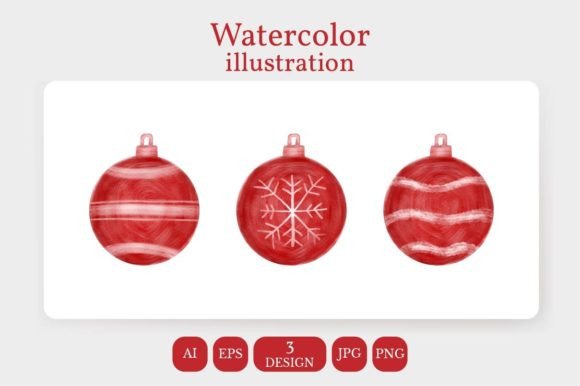
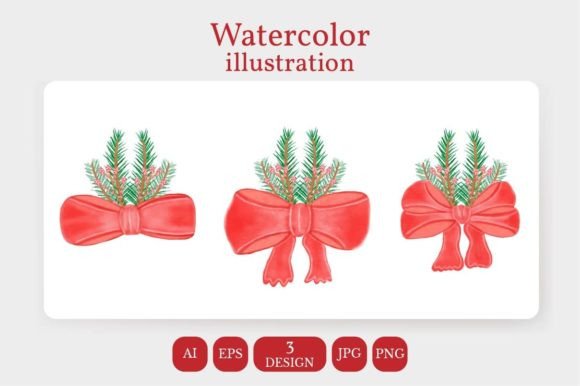
The first thing that strikes me about the Watercolor Illustration Christmas Ribbon is its mood. Unlike traditional holiday motifs that rely on hard edges and blocky fills, this design attempts to mimic the fluid, organic nature of watercolor painting. For an embroidery project, this is a bold choice. Watercolors are defined by bleeding colors and soft transitions, while embroidery is inherently structural, built on satin stitch, fill stitch, and running stitch patterns.
The visual personality here feels elegant and slightly nostalgic. It avoids the "cartoonish" trap that many holiday designs fall into. Instead, it offers a sophisticated ribbon motif that suggests movement and texture. The layout appears balanced, making it versatile enough to serve as a central focal point or a decorative accent. For boutique branding or high-end handmade product lines, this subtle approach often speaks louder than bright, saturated graphics. It whispers "quality" rather than shouting "discount bin."
Real-World Application: From Mockup to Merchandise
To truly test the viability of this digital embroidery file, I imagined a specific scenario: preparing a run of custom tote bags for a local craft fair. Tote bags are a staple for Etsy sellers and small shop owners because they are practical and offer a large canvas. However, canvas can be tricky. When visualizing the Watercolor Illustration Christmas Ribbon on a heavy cotton tote, the design's flow works beautifully. It doesn't look stiff; it looks like it was painted directly onto the fabric.
Beyond totes, consider sweatshirt embroidery. The cozy, textured nature of fleece or French terry pairs exceptionally well with the soft aesthetic of this illustration. If you are creating a limited edition holiday embroidery collection for a clothing line, this design adds a touch of whimsy without overwhelming the garment. It also translates well to baby embroidery. The gentle curves and lack of aggressive, dense detailing make it suitable for softer items like onesies or nursery pillow covers, provided the scale is adjusted correctly.
For those selling design assets or finished goods, the versatility extends to embroidered patch creation. A ribbon motif is classic for patches, and if the stitch definition holds up, this could be a best-seller for iron-on applications. The key is ensuring the stitch density isn't so high that the patch becomes cardboard-stiff, nor so low that the "watercolor" effect disappears into gaps.
Technical Considerations and Fabric Challenges
Here is where we need to be realistic. Achieving a watercolor look in thread requires careful management of thread colors and blending. When working with the Watercolor Illustration Christmas Ribbon, you must pay close attention to your stabilizer choice. Because the design likely relies on varied densities to create depth, using the wrong stabilizer on a stretchy fabric could lead to distortion. On a cap, for instance, the curved surface might compress the design, altering the intended shape of the ribbon loops.
Dark fabrics present another challenge. Watercolor effects often depend on light passing through layers or subtle color shifts. If you stitch this directly onto black denim or navy wool, you might lose the delicate nuances unless the design includes a solid underlay or background fill. Always test the design on scrap fabric that matches your final fabric texture. What looks crisp on a white poly-cotton blend might behave differently on a slub linen or a thick towel.
Small details are the enemy of durability. If the ribbon ends taper to very fine points, these areas are prone to fraying after frequent washing. For items like kitchen towels or aprons that will see heavy use, inspect the finished product closely. You may need to adjust the pull compensation or add extra tack-down stitches in your software before running the final batch. Remember, a beautiful custom apparel piece loses its value if the design unravels after three washes.
Building Trust and Perceived Value
In the world of craft business, presentation is everything. The Watercolor Illustration Christmas Ribbon has the potential to elevate the perceived value of your items. Customers are increasingly drawn to unique, artistic designs that don't look like generic clipart. When a client sees a personalized gift featuring this level of detail, it builds trust in your brand. It signals that you care about aesthetics and quality.
For commercial embroidery projects, consistency is key. If you are producing fifty units for a corporate holiday gift, you need to know that the design will stitch out identically every time. Check the file for any complex color changes that might slow down production or increase the margin for error. A design that is easy to manage allows you to focus on the finishing touches—pressing, packaging, and quality control—which ultimately drive buyer engagement and repeat sales.
Designer Notes for Success
Before you commit this design to a client's order, follow these practical steps:
- Test First: Never skip the stitch-out on scrap material. Verify that the color transitions look smooth and not blocky.
- Check Contrast: Ensure your chosen thread palette provides enough contrast to define the ribbon's shape against your specific fabric background.
- Hoop Size: Confirm the required hoop size fits your machine and your intended placement area, especially for smaller items like cuffs or pockets.
- Density Check: Look at the stitch count relative to the size. If it feels too dense for lightweight fabrics, consider editing the fill patterns.
- Licensing: Always review the license terms. Just because you bought the embroidery file doesn't automatically mean you can resell the digital file itself or use it for unlimited commercial goods without restrictions.
- Mockups: Create printable mockup images to show customers how the design looks on different colored garments before they buy.
The Watercolor Illustration Christmas Ribbon is a compelling addition to any designer's library, offering a blend of artistic flair and festive charm. However, its success depends entirely on execution. By respecting the technical limitations of embroidery machines and understanding the behavior of different textiles, you can transform this digital asset into a tangible, high-quality small shop product that stands out in a crowded market. Whether you are decorating a single personalized gift or stocking shelves for the holiday rush, this design rewards those who take the time to prepare properly.